Workplace Personality Models That Improve Teams
A project meeting stalls. One person wants a decision before the hour is up; another is still testing the assumptions; a third has not spoken because the conversation moved too quickly. Nobody is trying to make work harder. Yet the same friction keeps returning, often labelled as poor communication or a personality clash.
Workplace personality models give teams a more useful starting point. They create a shared language for recognising behavioural preferences: how people communicate, make decisions, respond to pressure and contribute to a group. Used well, they move the conversation from “they are difficult” to “what does this person need from us to perform at their best?”
For HR, L&D and operational leaders, that shift matters. It turns vague feedback into practical action, helps teams flex behavioural styles and makes collaboration more deliberate when the stakes are high.
What workplace personality models are really for
A workplace personality model is not a label-maker, a recruitment shortcut or a reason to excuse unhelpful behaviour. It is a framework that helps people notice patterns in how they prefer to work and how those preferences can land on others.
Most models examine a variation of similar themes: pace, communication style, decision-making, appetite for detail, response to risk and relationship focus. Some use colours, some use letters and some use descriptive profiles. The terminology differs, but the workplace value comes from the quality of the conversation that follows.
A fast-paced, direct colleague may be seen as decisive by one teammate and abrupt by another. A colleague who seeks evidence and time to reflect may bring valuable rigour, while appearing hesitant to a team that values speed. Neither preference is inherently better. Performance improves when people can recognise the difference, adapt their approach and agree how to work together.
This is why the model should never become the main event. The objective is better behaviour in real moments: clearer briefs, stronger challenge, faster recovery from disagreement and decisions that benefit from more than one point of view.
Why teams need more than a personality profile
Sending people a profile and asking them to read it rarely changes a team. Insight is useful, but insight without practice stays theoretical. People may understand that a colleague has a contrasting style, then return to the next meeting and repeat the same pattern under pressure.
The most effective development puts preferences into motion. Give a team a time-bound challenge, competing priorities and incomplete information, and their usual habits quickly become visible. Who takes control? Who notices the quieter voice? Who keeps the group connected? Who challenges an assumption? Who waits too long to raise a concern?
That live experience creates evidence the team can discuss without relying on memory or accusation. A facilitator can help participants connect what happened in the room to the work they do every week. The question is not whether someone is naturally a leader, a planner or an influencer. It is whether the team used each strength at the right time.
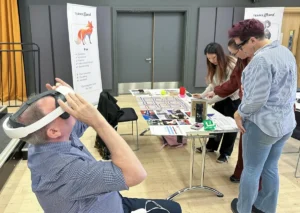
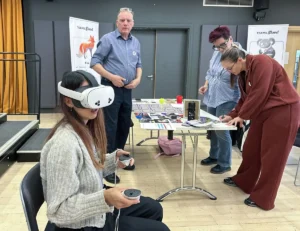
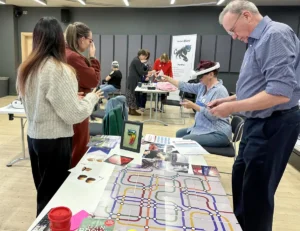
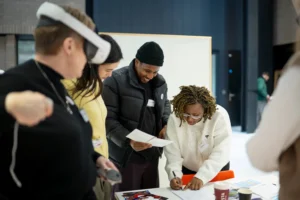
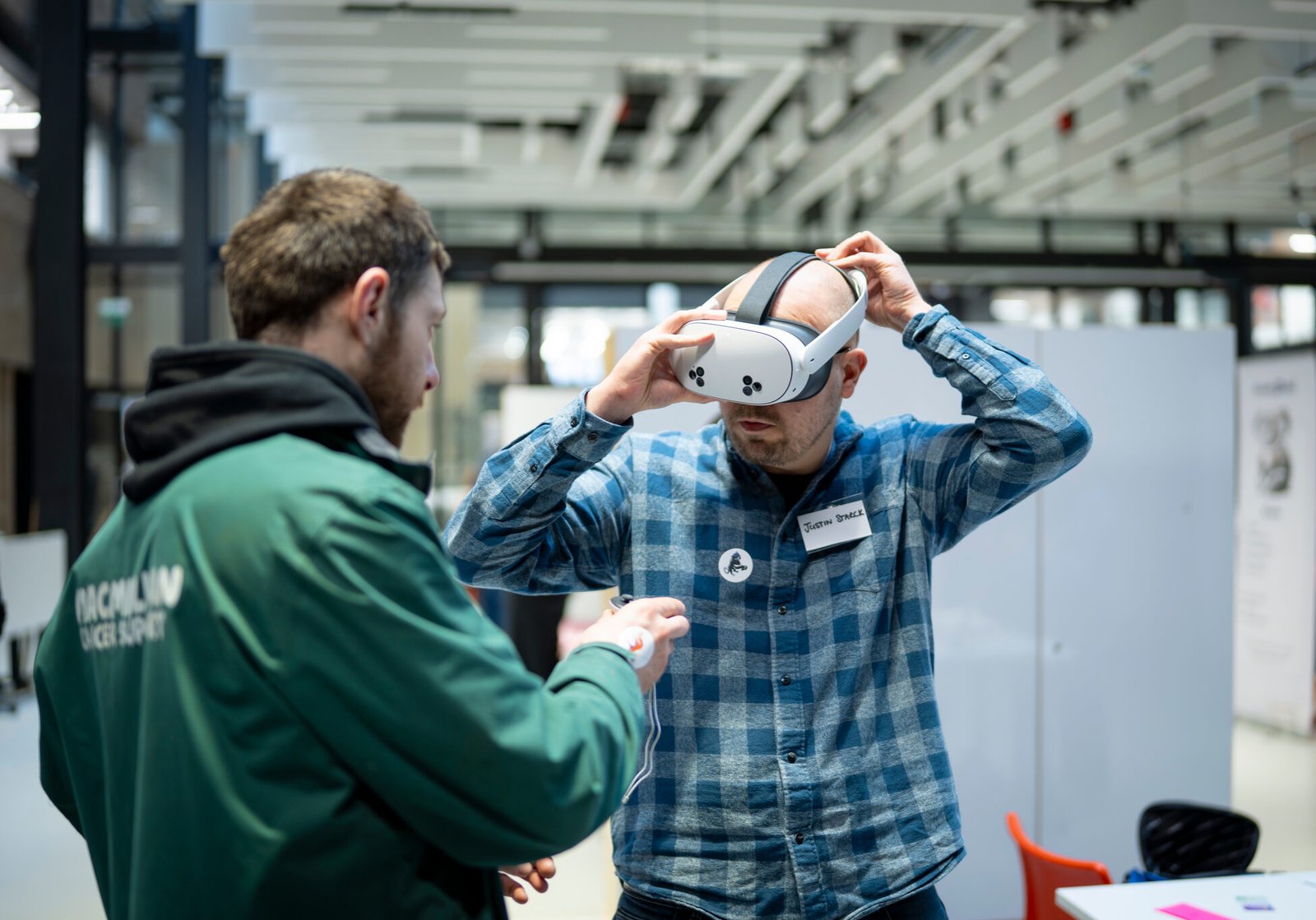
Immersive team challenges can be particularly effective because they make behavioural choices immediate. In a competitive virtual reality problem-solving scenario, teams cannot hide behind polished updates or familiar job titles. They have to communicate, prioritise and make decisions together. The debrief then turns that shared experience into practical commitments for the workplace.
Choosing workplace personality models with care
There is no single best model for every organisation. The right choice depends on what you are trying to improve, how the model will be introduced and whether the organisation is willing to build it into ongoing team practice.
For a newly formed project team, a straightforward behavioural preference model may be enough to establish communication norms quickly. For senior leaders navigating strategic conflict, a more detailed approach may be useful if it supports honest discussion around challenge, influence and decision rights. For a wider organisation, consistency and accessibility may matter more than technical depth.
When assessing workplace personality models, look beyond the report. Consider whether the language is easy for participants to remember, whether it avoids judgemental categories and whether trained facilitation is available. Ask how the model handles context too. Most people adapt their behaviour according to the task, their confidence, the power dynamics in the room and the pressure they are under.
Be cautious of any approach that claims to predict performance with certainty or sorts people into fixed boxes. Personality information should support development, not determine who gets hired, promoted or trusted with an opportunity. It is one lens on behaviour, not a complete account of capability, experience, values or potential.
Turn insight into better everyday behaviour
The value of a model appears after the session, in the ordinary moments where work either flows or sticks. Teams need to translate preferences into specific agreements that are visible in their routines.
A team with several action-oriented members may agree to pause before committing, giving analytical colleagues space to test the risks. A detail-focused group may set a clear threshold for when further information is useful and when it is delaying a decision. A team with strong relationship-builders may make space for connection while still naming who owns the next step.
The most helpful agreements are behavioural rather than aspirational. “Communicate better” is too broad to guide anyone. “Send the decision question and required pre-reading 24 hours before the meeting” gives people a repeatable action. “Invite challenge before the final call, then commit once the decision is made” helps a team distinguish healthy debate from repeated re-opening.
Leaders have a particular role here. They set the pace and signal which behaviours are safe. If a leader says they want challenge but becomes defensive when questioned, the team will notice. If they make room for different processing styles and explain the decision path, people are more likely to contribute early and constructively.
Use differences to improve performance under pressure
Pressure does not create every team problem. It exposes the habits a team has not addressed. When deadlines tighten, people often default to preference: the driver pushes for action, the analyst seeks more certainty, the collaborator checks alignment and the imaginative thinker generates new options when the group needs focus.
A strong team does not try to remove these differences. It learns to sequence them. Early in a problem, broad ideas and challenge may be valuable. Closer to delivery, clarity, ownership and pace matter more. The skill is knowing what the situation requires, then flexing beyond personal comfort.
This is also where conflict becomes productive. Contrast can sharpen a plan, reveal a risk or stop a team following the loudest voice. The issue is not disagreement itself. The issue is whether team members can name the tension, understand the needs behind it and choose a response that serves the shared outcome.
Facilitated reflection helps make that possible. After a live challenge, ask what helped the team make progress, what caused friction, whose contribution was missed and what each person would do differently next time. Keep the discussion anchored in observable behaviour. That protects trust while making accountability real.
Make the learning stick beyond the session
Personality-based development works best when it becomes part of the team’s operating rhythm, not a memorable one-off. Managers can revisit team agreements in project kick-offs, retrospectives and performance conversations. New starters can be introduced to the team’s preferred ways of communicating and deciding, while still being encouraged to bring their own style.
It also helps to check whether the learning is changing outcomes. Are meetings producing clearer decisions? Are handovers smoother? Are issues raised earlier? Is the same conflict appearing less often? These signals matter more than whether participants can remember every category in a model.
Teams Glued uses immersive challenge and structured reflection to help teams see these patterns while they are happening, then practise the behavioural adaptation that changes day-to-day performance. The experience creates a common reference point, but the real work is what participants take back into their next conversation.
The next time a team describes someone as difficult, pause before accepting the label. Ask what behavioural need is colliding with what, what the task requires now and how each person can adapt. That is where personality insight becomes stronger communication, better decisions and a team that can perform together when it matters.

Book a demo
Could your team benefit from Teams Glued?