
Impact
What changes after Teams Glued
We look for change in three places: in the individual, in the team, and in the organisation or institution around them. Here's what we see and how we measure it.
The individual
People understand their own style, see how it lands with others, and learn to flex under pressure.
- Self-awareness: "I know why I clash with some people"
- Confidence to speak up, or to step back
- Students: strengths they can describe at interview
How we measure it: profile results, reflections on the day, follow-up survey
“Learning about my own reaction.”
The team
Teams get a shared language for working styles, so differences become something to use rather than argue about.
- Clearer communication and faster decisions
- Fewer repeated conflicts
- Better team performance on real work
How we measure it: facilitator observations, debrief, team survey 6 to 8 weeks later
“Creating a new team and getting along.”
The organisation
When enough teams go round the loop, it shows up in the wider numbers.
- Business: engagement, absence, retention, managers who lead well
- Education: stronger middle leaders and employability outcomes for students
- Training budgets that show a return
How we measure it: client data such as engagement surveys, absence, retention and student destinations
“Given the positive impact and relevance of the experience, I intend to introduce it to all year groups earlier in the academic year…”
Teams Glued in practice
Each case study shows what changed for individuals, for the team and for the organisation.
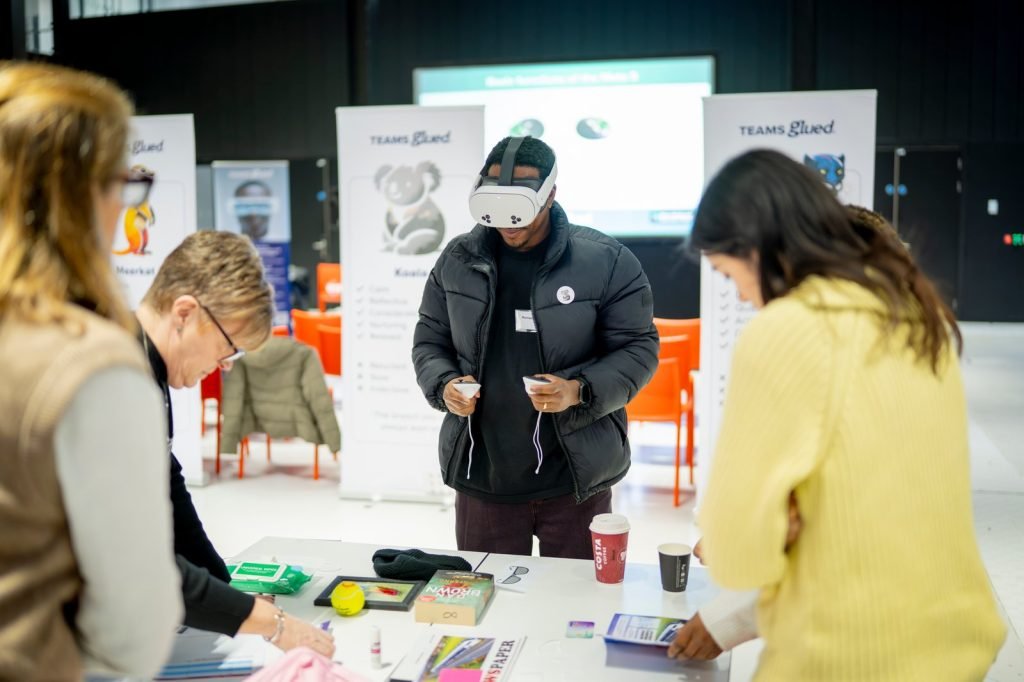
Core Logic (now Cotality)
Evidence at: Individual, Team
Read the case study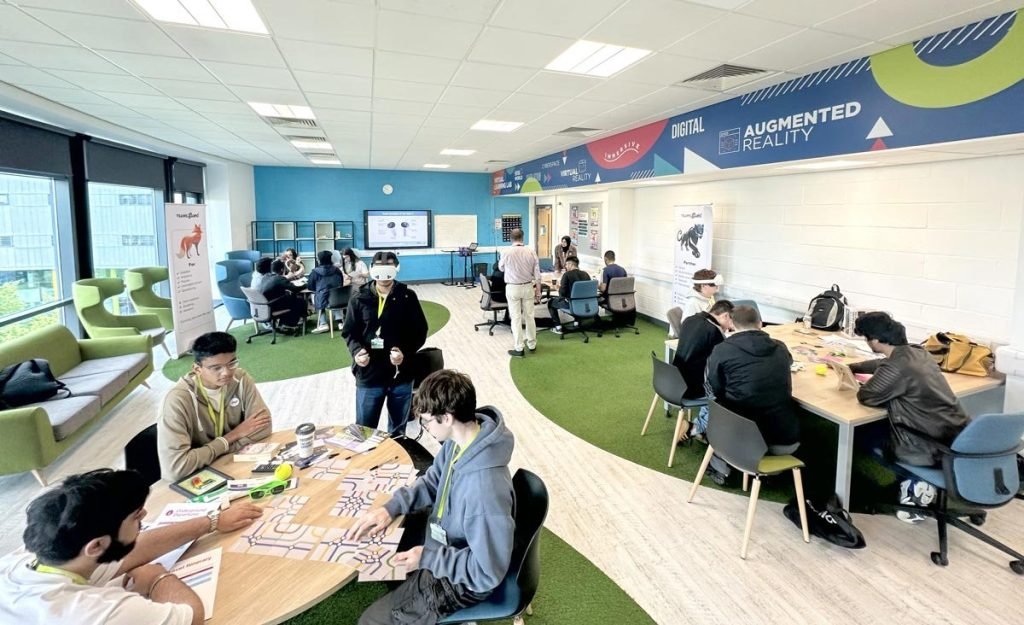

West Midlands Business Festival
Evidence at: Individual, Team
Read the case studySee Teams Glued in action
Hear from people who have taken part, and step inside the carriages of The Train Challenge.
How we measure change over time
- On the daySpoken feedback during the debrief
- End of the eventReflections on phone
- Weeks laterFollow-up survey or interviews
- Months laterEngagement survey, absence and retention trends (client data)