
Articles · Business
Why doesn’t our away day make any difference by Monday?
Most team days are enjoyable and forgotten within a week. The problem isn’t the day itself. It’s what happens before and after it.
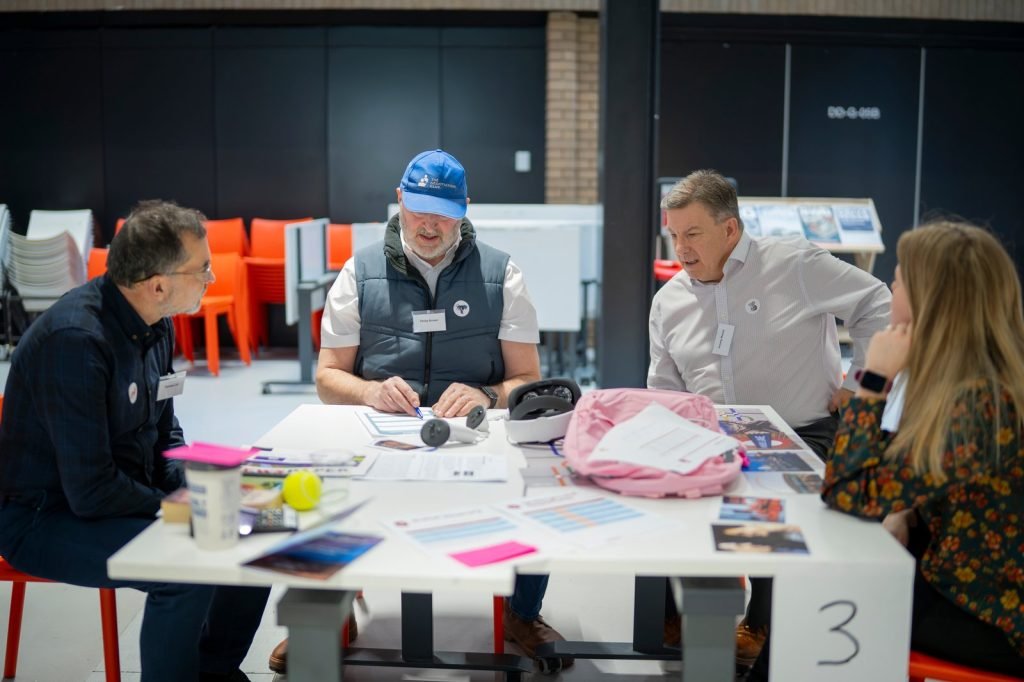
In short
- A good day with no ‘before’ and no ‘after’ is just a good day.
- Reflection straight after the activity turns experience into learning.
- A follow-up is where you find out whether anything actually changed.
The feedback forms were glowing. People laughed, mixed with colleagues they don’t usually see and went home tired and happy. Then Monday arrived, the inbox filled up and the same old habits came straight back. Sound familiar?
Fun isn’t the problem
Enjoyment matters. People learn more when they are engaged, and a shared experience can build real goodwill. The problem is that most team days are designed as a one-off event. There is no link to how people work day to day, so nothing carries over once the day ends.
The missing ‘before’
If people arrive knowing nothing about their own working style, the day can only ever be general fun. When each person has a sense of how they tend to behave, whether they push for pace, protect harmony, generate ideas or check the detail, the activity becomes a chance to see that style in action. They know what to look for in themselves and in others.
The missing ‘after’
Learning sticks when people reflect while the experience is still fresh. That means a few minutes straight after the activity to name what they noticed: what helped the team, what got in the way and what they would do differently. Then it needs a check-in a few weeks later, because that is when you find out whether anyone has actually tried something new.
A simple loop
We think about this as four stages: Profile (know your style), Play (see it under pressure), Reflect (name what happened) and Apply (try something different at work, then review it). Most away days only include the second stage. Adding the other three is what turns a nice day into lasting change.
What to try at your next team day
- Before: ask each person to think about how they usually behave under pressure, or use a short profile.
- On the day: protect 15 to 20 minutes after the activity for a proper debrief, not just a round of applause.
- Straight after: ask everyone to write down one thing they will try differently.
- Two weeks later: put a short check-in in the diary now, so it actually happens.
How Teams Glued helps
Every Teams Glued programme is built around the learning loop. The Away Day gives you a two-hour Train Challenge with a short wrap-up. The Behavioural programme adds the Animal Profile before the day, profile-based teams and reflections on phones straight after. The Leadership programme goes furthest, with a written action plan, named owners and review dates.
More articles
Share this article
Know a team this would help? Share it on LinkedIn or send it to a colleague.
Bring Teams Glued to your team
Away Days, behavioural and leadership programmes for business and education.